7 Holiday Scams to Avoid This Year
The holiday season is a time for celebration, gift-giving, and spending time with loved ones, but it’s also prime time for scammers looking to take advantage of the festive rush. From stolen packages to fake giveaways, gift card scams, and fraudulent charity appeals, scammers use a variety of tactics to trick unsuspecting shoppers. Knowing what to watch for can help you protect your money, your personal information, and your peace of mind. In this guide, we’ll walk you through seven common holiday scams to avoid and share practical tips to stay safe this season.
Key Features:
- Stolen Packages
- Gift Card Scams
- Facebook Freebies
- “Secret Sister” Gift Exchange
- Holiday Travel Scams
- Charity Scams
- Package Notification Scams
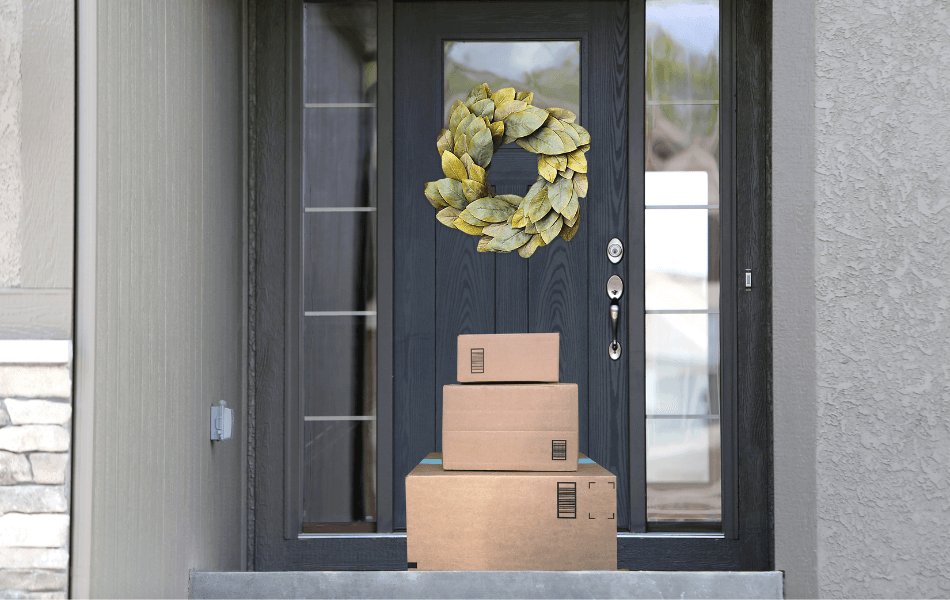
1. Stolen Packages
- Require a signature for deliveries, especially for high-value items.
- Use an Amazon Locker or similar secure delivery option – there’s no extra fee!
- Let your mail carrier know if you’ll be out of town when a package is scheduled to arrive.
- Ship to your workplace if possible, to ensure someone is there to receive it.
2. Gift Card Scams
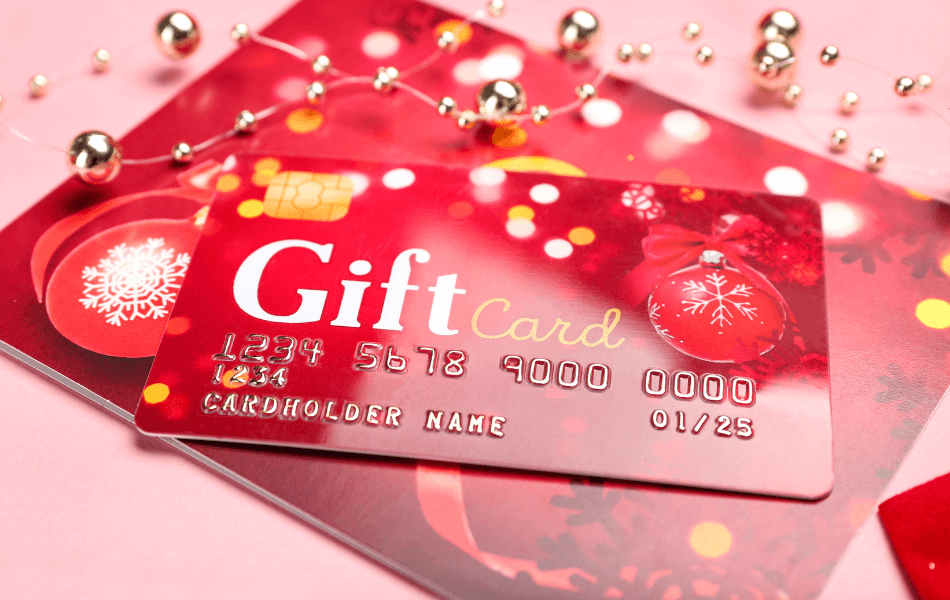
Scammers love gift cards because they’re easy to find, hard to trace, and nearly impossible to recover once the money’s gone. They use sneaky tactics like exposing or replacing PINs, covering cards with fake activation stickers, and setting up fake “exchange” websites to steal funds.
Before you buy a gift card this season, make sure you know what to look for. Visit our Gift Card Scams blog post for practical tips on how to spot fraudulent cards and protect your money.
3. Facebook Freebies
Have you ever scrolled through social media and seen a post promising a free iPhone or free Visa gift card just for taking a quick survey? These offers often pop up around the holidays and may even be shared by friends or family, making them seem legitimate.
Be careful – most of these posts are scams designed to collect your personal information. It’s best to just ignore them. Sharing your details could open the door to robocalls, phishing emails, or even identity theft.


4. “Secret Sister” Gift Exchange
You may have heard it before: Buy one gift and receive up to 36 in return! It sounds fun and festive, but don’t be fooled. The Better Business Bureau warns that this so-called “Secret Sister” exchange is actually an illegal pyramid scheme.
This became popular on Facebook years ago and still continues to circulate from time to time. Most participants in this scheme never receive anything back, and your personal information could end up in the wrong hands. If you see one of these posts on social media, report the post to the social media platform to help stop the scam from spreading.
5. Holiday Travel Scams
If you’ve booked holiday travel, be on the lookout for this one! Scammers are sending fake emails claiming your trip has been canceled. The message often asks you to fill out a form to request a refund, but it’s actually designed to steal your personal information.
Another common version of this scam involves ads for “free airline tickets” from what appear to be legitimate airlines. You may be told you’ll receive your tickets after sharing the post on social media, but don’t fall for it. It’s a scam.
Here are a few red flags to watch for in suspicious emails:
- The web address starts with http:// instead of https://
- The sender’s email uses a public domain (like Gmail, AOL, or Yahoo) instead of the airline’s official domain (e.g., aa.com, delta.com)
Stay alert, and always verify directly through the airline’s official website before taking any action.


6. Charity Scams
Scammers often create fake charity websites to steal donations, and they ramp up these schemes during the holiday season. Protect your generosity with these simple tips:
- Stick to charities you know and trust.
- Verify emails before donating. If you receive a request from a charity, contact them directly to confirm it’s legitimate.
- Check a charity’s legitimacy before giving. You can check on Charity Navigator for free.
Make sure your holiday giving helps those in need… not the scammers. Check out our Tips for Donating to a Charity.
7. Package Notification Scams
Did you receive a text saying a package is waiting for you? According to the Federal Trade Commission, it could be a scam. These messages often ask you to click a link to “confirm delivery,” but don’t click on it! The link could contain malware designed to steal your personal information.
If you’re expecting a package, always check the delivery status directly on the retailer’s official website or app to get accurate shipping information.

FAQs
What should I do if I accidentally shared personal information in a scam?
Immediately change your passwords, monitor your bank and credit card accounts for suspicious activity, and consider placing a fraud alert with your credit bureaus.
How do I report a scam that targeted me?
You can report scams to the FTC (ftc.gov/complaint), your local consumer protection office, the social media platform where you saw the scam, or your bank if financial information was involved.
Are there tools or apps that can help detect scam emails or texts?
Yes. Many email services and phone apps have spam filters and scam detection features. You can also install antivirus software and browser extensions that flag suspicious websites.