Are Store Credit Cards Worth It?
Updated: August 22, 2025
It may feel like every time you shop, you’re asked if you’d like to sign up for a store credit card at checkout. The instant discount or special perks can sound tempting, but before you say yes, it’s important to understand what you might be signing up for. In this article, we’ll explain what store credit cards are and share five key reasons why you may want to think twice before applying.
What is a Store Credit Card?
According to Experian, most retailers don’t actually issue their own credit cards. Instead, they partner with major credit card companies to create co-branded cards that carry the store’s name. While the card may look like it belongs solely to the retailer, the bank or issuer behind it handles the approval process, interest rates, and account management. In many cases, these store cards can only be used at that specific retailer or within a small group of affiliated brands, since they’re not usually connected to broader payment networks like Visa, Mastercard, or American Express.

5 Reasons to Avoid Store Credit Cards
1. High-Interest Rates
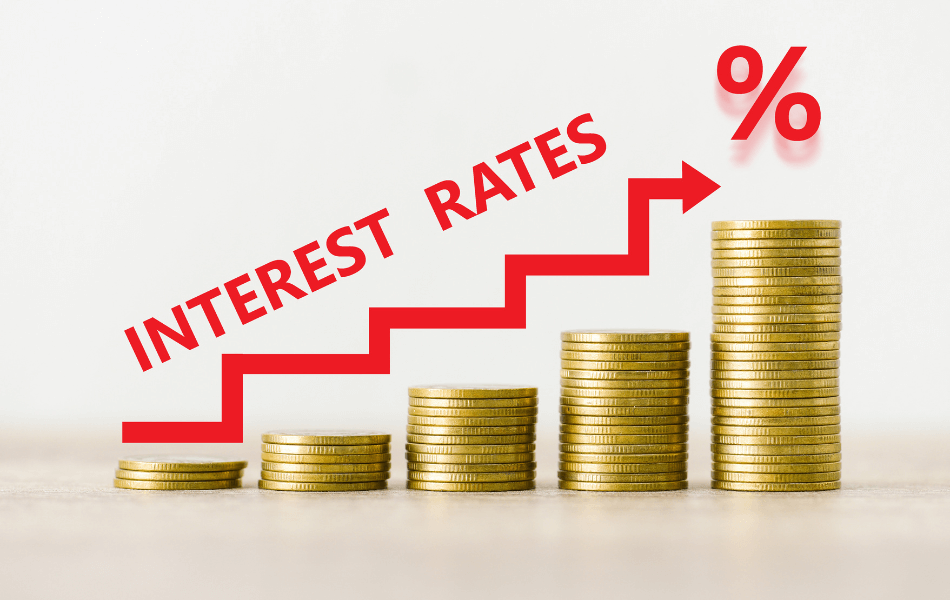
Store credit cards often advertise interest-free promotional periods, which can make them seem like an easy way to manage your balance. But once that promotion ends, the reality can be costly. According to the Federal Reserve Bank’s Consumer Credit Statistics, the average credit card interest rate in the U.S. is 21.95%. Store credit cards, however, typically charge much more, sometimes nearly double that amount, with rates climbing over 30% APR. That means the 15% discount you earn at checkout can quickly disappear if you’re unable to pay off your balance in full each month. Instead of risking sky-high interest charges, consider a smarter alternative: apply for a low-rate Launch CU Visa Credit Card and keep your payments affordable.
Higher Fees
While most store credit cards don’t come with an annual fee, they often make up for it by charging higher fees in other areas. Common charges include steep penalties for late payments, cash advances, foreign transactions, and even cash withdrawals. For example, a single late payment could result in a hefty late fee and trigger a penalty interest rate, making your balance even harder to pay down. Similarly, using the card while traveling abroad or taking out a cash advance could cost you far more in fees than you realize. Over time, these added costs can quickly snowball, turning what seemed like a convenient card into an expensive financial burden.


Increased Spending
From the store’s perspective, credit cards are designed to boost customer loyalty and spending. As soon as you sign up, you’ll likely start receiving a steady stream of promotional emails, mailers, and “exclusive” coupons, all aimed at encouraging you to use your card more often. While these offers can feel enticing, they’re ultimately meant to get you to spend more, not less.
If your true goal is to cut back on spending and reduce debt, a store credit card works against you. The smartest move is to politely decline at checkout and resist the temptation of a one-time discount that could lead to long-term financial strain.
Decreased Credit Score
Your credit score is one of your most valuable financial assets, which is why protecting it should always be a top priority. Each time you apply for a new loan or credit card, the lender performs a hard inquiry on your credit report to evaluate your creditworthiness. These inquiries can temporarily lower your score, and store credit cards are no exception. According to NerdWallet, saying yes to an instant store credit card offer can reduce your score by up to 10 points. While that might not be a major concern for someone with excellent credit, it could be significant if your score is already on the edge between “fair” and “good,” potentially pushing you into a lower bracket.
Before signing up for a store credit card, make sure you know where your credit score currently stands. Just as importantly, understand the factors that influence your score so you don’t unintentionally undo the progress you’ve worked hard to build.


The 0% APR Can Be Deceiving
Retailers often promote “0% APR” offers for 6 to 12 months on big-ticket items like appliances, furniture, or electronics. At first glance, these deals can seem like a smart way to spread out payments. But before signing on the dotted line, it’s crucial to ask: is this truly a 0% APR offer, or is it a deferred-interest plan?
With deferred-interest financing, you must pay off the full balance before the promotional period ends. If even a small balance remains, you could be charged retroactive interest on the entire purchase amount, often at high rates. That means a single missed deadline could turn what felt like a great deal into a very expensive mistake.
To protect yourself, always read the fine print carefully. Look for details about late payment penalties, the interest rate that kicks in after the promo period, and whether the offer is truly interest-free. Not knowing these terms could cost you hundreds, or even thousands of dollars.
Instead of risking hidden costs, consider a smarter option. For major purchases, such as new appliances or furniture, a Launch CU Personal Loan can provide predictable payments and peace of mind, without the financial traps.
Tips For Success
- Understand that it’s okay to say no.
- Think about what that instant savings could cost you down the road.
- Understand the fees associated with the store card before you apply.
- Trust your gut. If the deal seems too good to be true, it probably is.
- Don’t act on impulse. Financial decisions take time and should not be made in a matter of moments at the register. Go home and think about it before you make an impulse decision.
- Consider a Launch CU Visa Credit Card to help you save money and pay less credit card interest. Apply online for a Visa Credit Card today!