6 Ways to Overcome Holiday Impulse Purchases
You walk into the store, wallet in hand, ready to tackle your holiday shopping with a focus on both cost and convenience. Fast forward to a cart overflowing with impulse buys from “Last Minute Gifts,” “$5 Stocking Stuffers,” and “Gadget Gifts for Anyone” sections. How did all these items find their way in? Who knows, it’s the holidays after all, and you’ll figure out a place for them later. But it’s not just brick-and-mortar stores luring you in. Online retailers are just as guilty, bombarding you with “flash sales,” “half-priced gift sets,” and “save $10 on $50 purchases.” Temptation is everywhere, and it’s hard to resist the pull of a good deal. Consumers spent an average of $281.75 a month on impulse purchases in 2024. With the holidays coming up, that average is likely to increase. So how do you avoid overspending while giving generously? Keep reading to find out how to overcome holiday impulse purchases.
Key Features:
- Create a budget
- Make a shopping list
- Compare prices
- Know when to walk away
- Bring a friend with you
- Set a financial goal
1. Budget First
Take the time to calculate how much you can spend on the holidays before you shop. Once you know how much you can spend, divide that number by how many people you need to buy for. There’s your lucky number for gift-giving. If you know yourself well and an impulse buying is unavoidable, then set aside a small portion of your budget to use towards this. That way there’s extra cushion in your budget.


2. Make a List
Make a list and check it twice. Write down the Christmas gifts you want to buy. Map out your store route so you can efficiently get what you need without being tempted by the holiday glitz and glitter.
3. Shop Smart
After you budget and make your list, look for the best deals. Research coupons, compare prices, and check to see if there’s a better price online. Some of the top price comparison apps and websites are Google Shopping, Shopzilla, and Become.

4. Know When to Step Away From the Computer
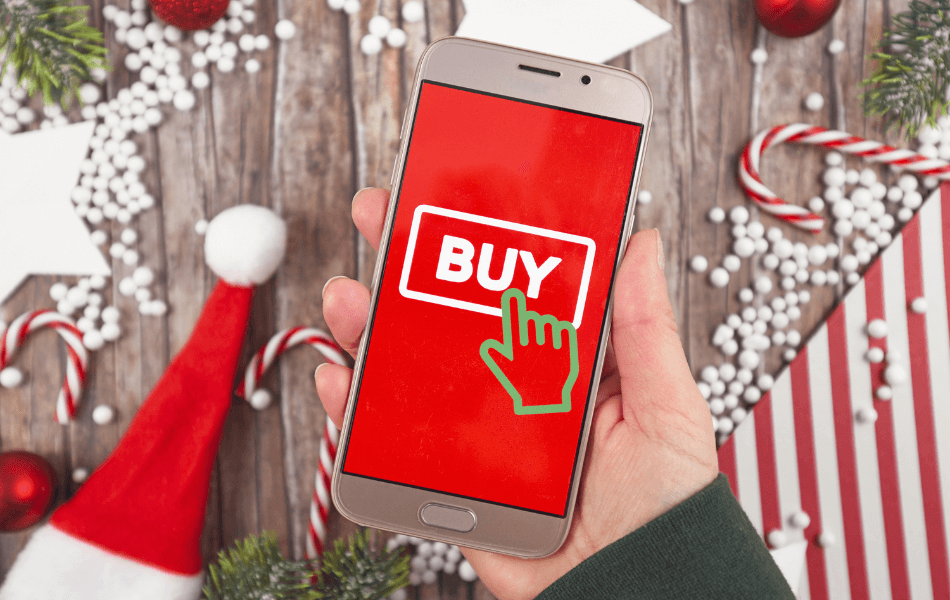
It’s very easy to fill up your online shopping cart. Before you know it, you’re down a rabbit hole and there are 20 items in your cart you didn’t plan on buying. This is when it’s time to step away from the computer and call someone, watch TV, or go for a walk. Once you’ve had a little time away, go back and check your cart. Consider asking yourself these questions before purchasing an item:
- Why am I here?
- How do I feel?
- Do I need this?
- What if I wait?
- How will I pay for it?
- Where will I put it?
5. Bring a Friend
Bringing a friend along can distract you from looking through every single aisle and display. Friends help decide which color headphones to buy or question you when it comes to buying a very expensive item. Tell them your holiday spending goals so they can keep you accountable and on track.


6. Create a Financial Goal
Creating financial goals will motivate you to save! It’s all about reaching your goals and the more you save, the faster they come. Whether it’s a house, a new car, moving to a new state, or saving (x) amount for retirement, document it for later. Create a physical copy of your list and keep it somewhere to help remind you when you feel like making an impulse purchase. If you need assistance in creating a plan or gaining more information, check out Launch’s financial coaching resources.
We hope these help you to curb holiday impulse purchases. Remember, take your time and create a game plan. Don’t go shopping online or in a brick-and-mortar business without a plan first. This helps you save money, time, and stress, and overcome holiday impulse purchases. Check out these 5 Gift Ideas on a Budget for DIY gifts that won’t break the bank.
FAQ
How can I tell if I’m impulse shopping?
If you find yourself buying things not on your list, shopping when you’re stressed or bored, or feeling guilty after a purchase, those are signs of impulse spending.
What’s the best way to avoid impulse buying online?
Try leaving items in your cart for 24 hours, disable one-click payments, and unsubscribe from promotional emails during the holidays. Setting a firm budget and using prepaid cards can also help limit overspending.
Why do people make impulse purchases during the holidays?
Holiday shopping environments are designed to trigger spending with festive music, “limited-time” offers, and emotional advertising. Many shoppers also feel pressure to find the perfect gift or “treat themselves” after a stressful week.